6 water-saving ideas Indian Cities can’t afford to ignore
6 smart water solutions every Indian City must adopt
India’s cities are growing at a rapid pace. With increasing urban populations, unpredictable rainfall, and overburdened water systems, water scarcity is turning into a serious crisis. Many cities face regular water cuts, tanker dependence, and depleting groundwater. It’s clear—without urgent action, we risk running dry.
But there is hope. Smart technologies and better planning can save millions of litres daily. These six smart solutions offer practical, scalable ways to manage water more efficiently in Indian cities.
1. Smart Water Meters for Transparency and Control
Real-time monitoring is the first step
Traditional water meters often give delayed or inaccurate readings. In contrast, smart water meters provide real-time usage data, helping households, businesses, and municipal corporations track water consumption instantly.
Cut wastage and fix leaks faster
Smart meters alert users to unusual spikes in usage, indicating leaks or overuse. By catching these early, cities like Pune and Chandigarh have already reduced wastage significantly.
2. Greywater Recycling for Everyday Use
Why waste usable water?
Every day, litres of water from our bathrooms and kitchens go down the drain. This used water, called greywater, is still good enough for flushing toilets, watering gardens, or washing vehicles.
A cost-effective solution for homes and societies
Installing greywater recycling systems in housing societies and office complexes can reduce fresh water demand by up to 30–40%. With proper filtration and reuse, cities can conserve vast amounts of water without major lifestyle changes.
3. Modern Wastewater Treatment for Reuse
Outdated infrastructure needs urgent upgrades
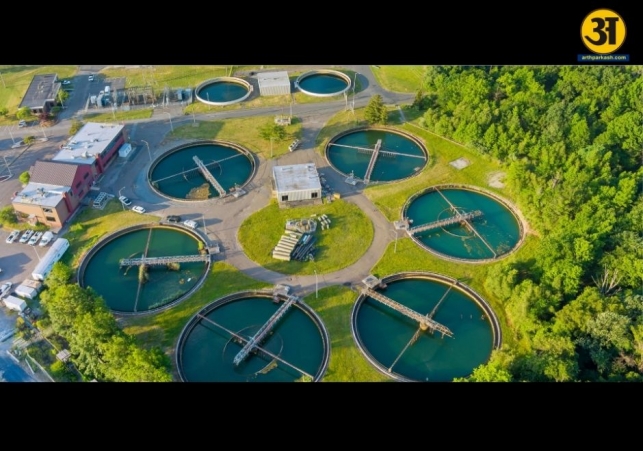
Many Indian cities dump untreated sewage into rivers and lakes. This is a lost opportunity. With modern treatment plants, sewage water can be cleaned and reused for construction, landscaping, and industrial processes.
Decentralized treatment systems for local reuse
Instead of relying only on large plants, smaller decentralized wastewater systems can be set up in housing colonies, campuses, or business parks. These systems make water reuse local, simple, and sustainable.
4. AI and IoT for Smarter Water Networks
Tech that detects problems before they become crises
Cities lose over 40% of water due to leaks, theft, and poor pipeline conditions. Smart sensors combined with Artificial Intelligence (AI) and Internet of Things (IoT) can continuously monitor the health of water networks.
Forecasting and planning made easier
AI can help municipalities predict demand, optimize supply, and manage water flow efficiently. Cities abroad are already using such systems to reduce loss. It’s time Indian cities do the same.
5. District Cooling to Cut AC Water Consumption
Cooling comes at a water cost
Air conditioners use massive amounts of water, especially in commercial buildings. District cooling systems—centralized cooling using chilled water—can save both water and energy.
A successful example from Rajkot
Rajkot has piloted India’s first district cooling project with promising results. Such systems, especially in tech parks and high-rise clusters, can reduce urban water demand dramatically.
ALSO READ: 6 Smart Home upgrades that add real value
ALSO READ: Why Delhi’s car ban feels like losing a loved one
6. Integrated Water Management with Community Participation
No single solution can solve everything
Water management isn’t just about technology. It needs policy support, public participation, and private innovation. City planning must treat water supply, wastewater, and rainwater harvesting as one connected system.
Citizens must be part of the solution
Awareness campaigns, water audits in societies, and mandatory water reuse in new buildings can create a culture of conservation. Local bodies must engage residents, businesses, and builders to build long-term water resilience.
The Rainwater Opportunity
Most Indian cities waste rainwater due to poor infrastructure. Mandatory rooftop harvesting in homes, schools, and malls can capture thousands of litres annually. Local recharge pits and percolation tanks can help restore groundwater naturally.
Water is no longer an unlimited resource. With rapid urbanisation and climate change, Indian cities are walking a tightrope. The six smart solutions outlined above offer a way to reduce waste, reuse what we have, and build sustainable systems for the future.
But this will only work if city planners, builders, and citizens come together. The technology exists. The knowledge is available. All we need is the will to act—before the taps run dry.
Related News